
How to Verify If a Car You’re Buying Was Imported Legally in Kenya
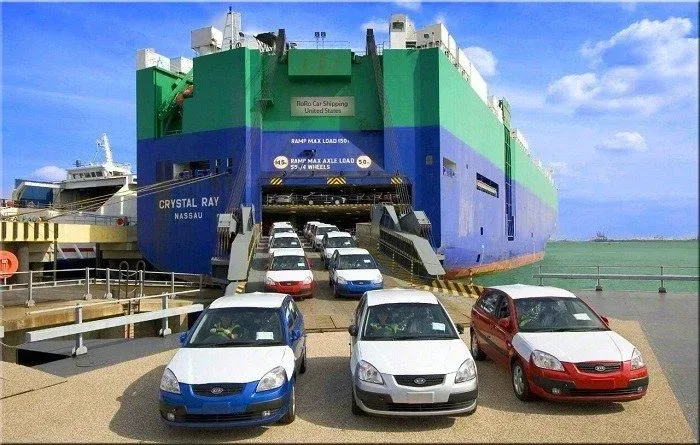
Buying a used car in Kenya can save you a lot of money — but it can also land you in serious trouble if the vehicle was not imported legally.
Cars brought in through irregular channels can be seized by the Kenya Revenue Authority (KRA) or DCI at any time, leaving you with nothing but stress and loss.
The good news? You can protect yourself with a few smart checks. Here’s how to confirm if the car you are about to buy was legally imported into Kenya.
1. Start With the Logbook (Original and Copy)
A valid logbook is the foundation of ownership. Every legally imported vehicle must have a genuine NTSA-issued logbook showing:
- The vehicle make, model, and chassis number (VIN)
- The date of registration in Kenya
- The registered owner’s name and ID
🔍 Quick tip: The logbook must have a QR code (for smart logbooks) or a watermark and serial number (for older versions). You can scan or cross-check it via the NTSA TIMS portal (https://tims.ntsa.go.ke) under “Verify Documents.”
2. Check the Vehicle’s Importation Documents
A genuine imported car should have a clear paper trail from port to road. Ask the seller for copies of:
- Import Declaration Form (IDF)
- Bill of Lading
- Customs Entry Number (CE number)
- Port Release Order
- KRA Customs Duty Payment Receipts
Each of these proves that customs duty, VAT, and Import Declaration Fees were paid.
If the seller hesitates or can’t provide them, that’s your first red flag.
💡 Tip: Cross-check the Import Declaration Form on the KenTrade iCMS portal or through your clearing agent to confirm the vehicle’s import record exists in KRA’s system.
3. Verify the KRA Customs Clearance Certificate
Every legally imported car must have a KRA Customs Clearance Certificate (CCC) issued after all duties are paid.
Here’s how to confirm it’s genuine:
- Visit the KRA iTax portal → Customs → Verify Clearance Certificate
- Enter the Certificate Number printed on the document.
If it doesn’t show up, it’s fake — or the car entered the country without clearance.
⚠️ Beware: Some importers forge certificates using old or recycled reference numbers. Always verify directly with KRA or a licensed clearing agent.
4. Confirm the Year of Manufacture and Importation Window
Kenya’s import law prohibits the import of vehicles older than 8 years from the year of first registration.
Example: In 2025, the oldest vehicle allowed is one manufactured in 2017.
Anything older than that was either:
- Smuggled in through unofficial routes, or
- Imported illegally with manipulated documents.
Check this by:
- Matching the chassis number against the manufacturing year from the manufacturer’s plate (usually on the firewall or door frame).
- Using online VIN decoders like vindecoderz.com to confirm the production year.
5. Inspect the JEVIC or QISJ Certificate
Before any used car is shipped to Kenya, it must pass a Pre-Export Verification of Conformity (PVoC) inspection by JEVIC (Japan Export Vehicle Inspection Center) or QISJ (Quality Inspection Services Japan).
This certificate proves:
- The car met Kenyan safety and emission standards.
- Mileage wasn’t tampered with before shipment.
Check the authenticity of this document at:
👉 https://www.jevic.co.jp or https://www.qisjp.co.jp
If no certificate exists, the car was likely shipped outside the official export program — and could be seized.
6. Run an NTSA TIMS Ownership and Inspection Check
Use your NTSA TIMS account to verify the car’s details by chassis or registration number.
Confirm:
- The first registration date in Kenya.
- The previous owner(s).
- The inspection status (especially for imported second-hand vehicles).
If the system says “vehicle not found,” it’s a red flag — meaning it might never have gone through NTSA’s registration database.
7. Cross-Check with Kenya Bureau of Standards (KEBS)
KEBS oversees the PVoC process. If you’re unsure, email or call KEBS to confirm whether your car’s chassis number was cleared under their system.
📩 Email: [email protected]
📞 Hotline: +254 709 897 000
They can verify whether the vehicle was inspected and certified before importation.
🧭 Quick Checklist Before Paying for Any Car
|
Step |
What to Verify |
Where to Check |
|
Logbook |
Ownership, VIN, QR code |
NTSA TIMS |
|
Import documents |
IDF, Bill of Lading, CE Number |
KRA/KenTrade |
|
Customs duty |
Paid and cleared |
KRA iTax |
|
Manufacture year |
≤ 8 years old |
Manufacturer plate / VIN |
|
PVoC certificate |
JEVIC or QISJ |
Official websites |
|
NTSA record |
Registration and inspection |
TIMS portal |
|
KEBS clearance |
Pre-export verification |
KEBS office |
⚠️ Why It Matters
If you unknowingly buy an illegally imported car:
- KRA or DCI can impound it permanently.
- You’ll lose both the car and your money.
- You can even be charged for handling smuggled goods.
So, take your time and verify everything before parting with your hard-earned cash.
✅ Bottom Line
A legitimate car will have nothing to hide — full documentation, verified certificates, and a traceable registration history.
Before you sign that deal, take an hour to cross-check every detail. It might save you from losing millions later.
And if you’re planning to buy a car through a logbook loan, Kifedha can help you verify ownership, confirm clearance, and finance it safely.
Visit Kifedha.co.ke or call +254 791 573 231 to speak to our team today.



Comments ()